
What to Expect from a C-Section
What happens if you end up needing a C-section? Let's talk about the physical and emotional impacts of a C-section.
POSITIVE BIRTHORLANDO DOULACHILDBIRTHHOSPITAL BIRTH
Anna Waters
1/20/20264 min read
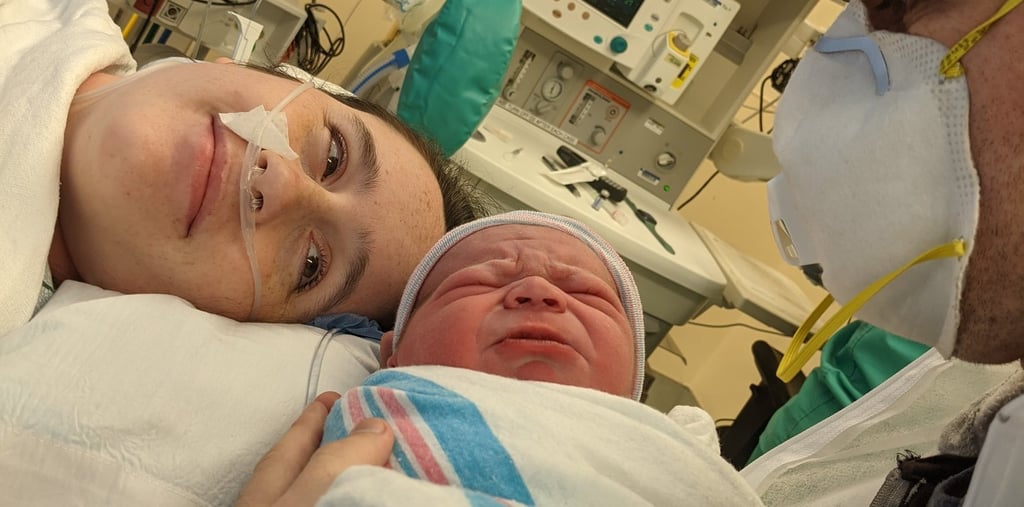
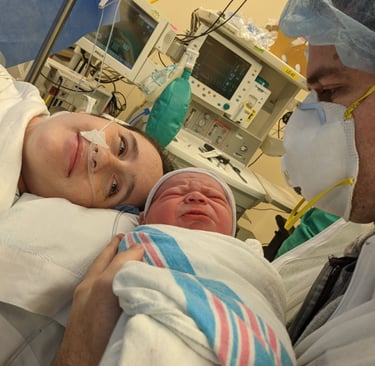
What to Expect If You End Up Needing a C-Section
For a lot of families, a C-section isn’t part of the original plan.
And even when it is planned, it can still bring up a swirl of feelings — nerves, questions, relief, sadness, or just a sense of wait… what now?
If a C-section is on your radar — whether it’s scheduled or just a possibility you’re trying not to think about — this is for you. Not to overwhelm you with information, but to help you feel a little more steady if things take a turn you weren’t expecting.
A C-section is still birth.
And you deserve care, support, and kindness through it.
Let’s Say This Out Loud First
If this isn’t what you pictured, that makes sense.
Some parents feel disappointed. Others feel scared. Some feel relieved to have a clear plan. Many feel all of that at once. You might even feel okay one minute and completely undone the next.
And then come the comments — “At least the baby is healthy.”
Yes. Of course. And also… you matter too.
It’s okay to grieve a different birth while still choosing the safest option. It’s okay to feel relief and sadness side by side. There’s no emotional rulebook you need to follow here.
How C-Sections Usually Happen
C-sections can unfold in a lot of different ways. Sometimes they’re planned well ahead of time. Sometimes they become the next step after a long or complicated labor. Sometimes things move quickly and decisions have to be made fast.
The amount of time you have to process what’s happening can vary, but one thing stays the same: you deserve clear explanations, calm voices, and care that feels human — not rushed or dismissive.
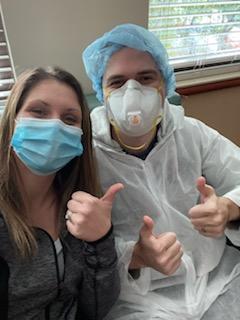
What the Day Often Looks Like
Most C-sections follow a similar rhythm, even though every hospital does things a little differently.
Before surgery, there’s usually a stretch of waiting and preparation. You’ll meet the anesthesia team, get an IV, and have time to ask last-minute questions. A spinal or epidural is placed so you’re awake but numb, and your partner is typically brought in just before surgery begins. If there’s space for it, this is often when things like music or preferences around communication can be shared.
During the surgery itself, you won’t feel sharp pain, but you may notice pressure or tugging sensations. The actual birth often happens surprisingly fast — sometimes within just a few minutes. Many parents are caught off guard by how quickly their baby arrives, even if the rest of the procedure takes longer.
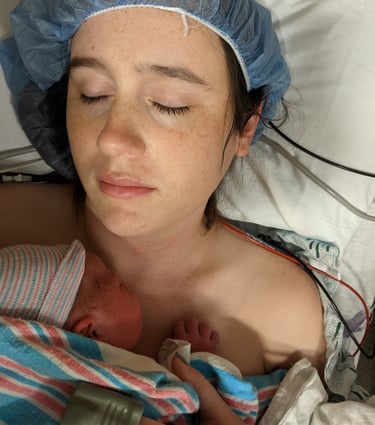
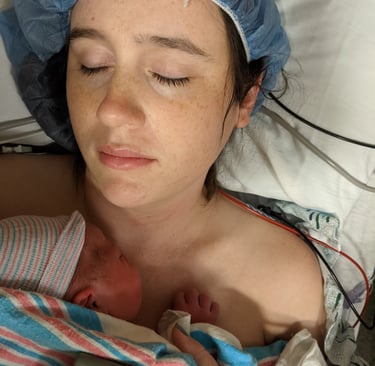
After birth, there’s a transition period where a lot happens at once. Your baby may be briefly checked nearby, skin-to-skin may happen right away or shortly after, and you’ll move into a recovery space where monitoring continues and bonding begins. This is also when feeding support can be especially helpful, as everyone settles in after surgery.
You Still Have Options!
One of the biggest misconceptions about C-sections is that parents don’t have choices.
While not everything is always possible, many hospitals do support gentle, family-centered options — things like early skin-to-skin, delayed cord clamping, your partner being involved, music in the OR, clear communication during surgery, or even lowering the drape at birth.
Knowing what might be available — and having someone help you ask for it — can make the experience feel much more connected and less clinical.
Recovery Is More Than Just Healing an Incision
C-section recovery often takes people by surprise.
Physically, you’re healing from major abdominal surgery while caring for a newborn. That can mean soreness, limited mobility at first, deep fatigue, and a real need for extra help at home.
Emotionally, things can feel tender once the adrenaline wears off. Some parents need time to really process what happened. Some feel a mix of grief and relief. Others notice big emotions show up days or weeks later. All of this is common — and none of it means you’re doing something wrong.
It means a lot happened, very quickly.
Why Support Matters So Much
C-section parents are often expected to “bounce back” quietly, even though recovery can be intense.
Having someone who understands C-section birth and recovery can make a huge difference — whether that looks like help with feeding positions, reassurance about what’s normal, space to talk through the birth, or simply having someone remind you that you don’t need to have it all figured out yet.
You don’t have to carry this alone. And you don’t have to rush yourself toward gratitude or closure.
Thinking Ahead — Gently
Even if you’re planning a vaginal birth, it can be grounding to think through a few “just in case” pieces. Knowing the basics of what a C-section looks like, talking with your partner about how they can support you, or thinking about who you’d want in your corner emotionally can make unexpected changes feel a little less jarring.
Preparing doesn’t mean you’re expecting things to go wrong.
It means you’re taking care of yourself — no matter how your baby arrives.
One Last Thing
If you end up needing a C-section, you didn’t fail.
Your body didn’t fail.
Your birth still counts.
With the right information and support, a C-section can be calm, connected, and deeply meaningful.
And if you want support preparing for or recovering from a C-section, we’re here — ready to walk alongside you, wherever your birth story leads.